Explore the group of Hindu and Jain Temples in Khajuraho
Nestled in the heart of Madhya Pradesh, Khajuraho is a place that passes the time. The Hindu and Jain Temples in Khajuraho stands as a symbol. They firstly offers a glimpse into the grandeur of ancient Indian building and divinity. This small village is a UNESCO World Heritage Site. That further shows the artistic and building prowess of medieval India. Whether you are a history lover, an architecture lover, or a divine seeker. The temples of Khajuraho promise a great journey. That takes you further through a rich web of culture, religion, and art.
The Historical Context
The Chandela dynasty made the temples of Khajuraho during 950 and 1050 AD. This period is marked as a golden age for the Chandela rulers. They were known for their patronage of the arts and religion. The temples were built to honor Hindu deities and Jain Tirthankaras. It meanwhile reflects a period of divine power and artistic culture.
The Architectural Splendor
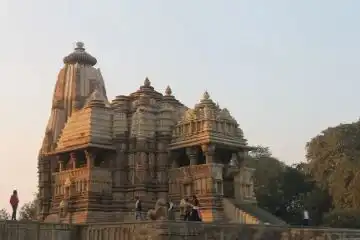
Khajuraho is divided into three main groups of temples. They are the Western Group, the Eastern Group, and the Southern Group. Above all, each group shows a distinct style. That serves as a window into the building evolution of the era.
1: The Western Group
The Western Group is the most famous Hindu and Jain Temples in Khajuraho. It houses some of the largest and most ornate temples. The standout temples here include further.
Kandariya Mahadev Temple
Named after the Lord Shiva, this temple is a marvel of building art. Above all, its tall spire (Shikhara) rises high. It is filled with minute carvings of deities, celestial beings, and mythical creatures. The temple's erotic statues are perhaps its most famous feature. That meanwhile shows the sacredness of human experience and the divine union.
Lakshmana Temple
Devoted to Lord Vishnu, this temple is famous for its well detailed carvings and saven statues. This Temple shows a complex design with multiple smaller shrines surrounding the central sanctum. Above all, each one is full of vibrant carvings.
Chaturbhuj Temple
This temple is devoted to Lord Vishnu. It is famous for its huge central statue of the deity. That further stands about 9 feet tall. The temple's design and carvings meanwhile reflect the grandeur of the Chandela period.
2: The Eastern Group
The Eastern Group of temples firstly contains both Hindu and Jain temples. These Hindu and Jain Temples in Khajuraho reflects the diverse divine landscape of the time.
Parasvanath Temple
The largest of the Jain temples, the Parasvanath Temple is devoted to Lord Parasvanath. He was the 23rd Tirthankara. It is firstly famous for its stunning structure and serene ambiance. The temple's carvings are minute and meanwhile depict various Jain symbols and motifs.
Javari Temple
Known for its smaller size than to the other temples, the Javari Temple. It is nonetheless rich in building details. This one of the Hindu and Jain Temples in Khajuraho is firstly devoted to Lord Vishnu. Above all, it is famous for its unique carvings and minute doorways.
Sculptural Wonders
The Eastern Group also contains many smaller temples. That are note worthy for their unique carvings and building finesse. The Ghantai Temple, for example, is famous for its hand carved bell shaped columns. Above all, they contains detailed writings of divine figures.
3: The Southern Group
The Southern Group of temples is the least visited but highly valuable.
Duladeo Temple
Devoted to Lord Shiva, this temple is very famous. It firstly contains richly carved exterior and well saved statues. The Duladeo Temple's building is a scenic example of the Chandela style. That meanwhile offers insights into the divine rituals of the time.
Chaturbhuja Temple
This lesser known temple is devoted to Lord Vishnu. It firstly contains a unique building style. Its carvings are less elaborate than those in the Western Group. But, they are still valuable in their own right.
The Artistic Legacy
One of the most unique aspects of temples in Khajuraho is their detailed and minute artwork. These temples are further filled with thousands of statues and carvings. That depict a range of subjects, for example deities, celestial beings, and daily life. The erotic statues, mainly, are a defining feature of Khajuraho. They show the unity of the divine and the earthly. These carvings are not merely decorative. But, they are made to convey deep divine and learning messages.
Spiritual Significance
Beyond their building and artistic value, the temples of Khajuraho hold deep divine values. The Hindu and Jain Temples in Khajuraho are named after the various deities. That further include Shiva, Vishnu, and Devi, and serve as centers of worship. The Jain temples reflect the Jain teaching of non violence and self control. That meanwhile honors Tirthankaras who has taken moksha.
Practical Tips for Visitors
Best Time to Visit
The ideal time to visit Khajuraho is between October and March. During that, the weather is pleasant and perfect to explore the temples.
Entry Fees and Timings
The temples are open daily, with an entry fee for Indian and foreign tourists. Further, the Western Group temples are mainly open from sunrise to sunset. While the Eastern and Southern Groups may have various timings.
Guided Tours
To fully admire the ancient and cultural context of the temples, try hiring a local guide. They can meanwhile provide valuable insights and enhance your trip.
Dress Code
As the temples are active places of worship, tourists are asked to dress modest clothes. Above all, ensure that your shoulders and knees are covered.
Khajuraho's Hindu and Jain temples are not just building marvels. They are also a profound representation of India's rich cultural remains. A visit to these Hindu and Jain Temples in Khajuraho offers a unique chance. So that, you can explore the divine and artistic aspects of an ancient culture. That meanwhile makes it a must visit spot for anyone seeking in history, art, and divinity.