Explore the most visited and renowned pilgrim sites in Lepakshi
Nestled in the Anantapur district of Andhra Pradesh, Lepakshi is a hidden gem holding immense religious, historical, and artistic significance. We journey through the most visited and renowned pilgrim sites in Lepakshi in this guide. Famed for its Vijayanagara-era temples and mythological ties to the Ramayana, this town offers a unique blend of divine serenity and architectural grandeur. It is not only a must-visit for pilgrims but also a treasure trove for history lovers, photographers, and cultural explorers. This guide offers you insights into their legends, spiritual relevance, and cultural brilliance.
Veerabhadra Temple: The Spiritual and Architectural Centerpiece
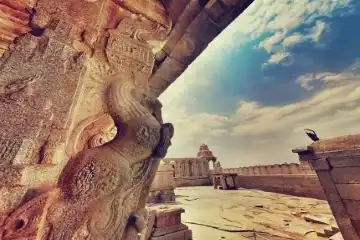
The most iconic site in Lepakshi is the Veerabhadra Temple. It's a masterpiece built in the 16th century by the brothers Viranna and Virupanna. Dedicated to Lord Veerabhadra, a fierce form of Shiva, the temple stands as a testament to the artistic brilliance of the Vijayanagara Empire. It has carved stone pillars, massive open halls, and intricately painted ceilings. Explore the top locations to visit in Amravati in Andhra Pradesh also. With them, the temple is both a place of worship and an enduring example of Dravidian architecture. Its sanctity, artistry, and historical depth make it one of the most renowned pilgrim sites in Lepakshi. That is a symbol of South India's rich spiritual traditions.
The Hanging Pillar: A Marvel that Defies Gravity
One of the most intriguing aspects of the Veerabhadra Temple is the mysterious Hanging Pillar. Among the 70 stone pillars supporting the temple, this particular pillar does not touch the ground. Visitors often slide a thin cloth underneath to confirm its levitation, which has fascinated engineers and historians for decades. This architectural curiosity is more than just a spectacle. It reflects the advanced engineering skills of ancient builders and adds an element of mysticism to the temple. That reinforces its legendary status among South India's sacred structures.
Monolithic Nandi: The Grand Guardian of the Temple
A short walk from the main temple complex takes you to the awe-inspiring Monolithic Nandi, the sacred bull of Lord Shiva. Carved from a single piece of granite, this 20-foot-tall and 30-foot-long statue faces the Veerabhadra Temple in a protective stance. It is an essential aspect of this one of the renowned pilgrim sites in Lepakshi to experience. Considered one of the largest Nandi statues in India, it serves as a powerful symbol of devotion and strength. Pilgrims often offer their prayers here before entering the temple, believing that Nandi acts as a divine intermediary. Its sheer scale and craftsmanship are a visual delight for both devotees and tourists.
Nagalinga: The Coiled Serpent Over the Shiva Lingam
Another spectacular sight at the temple complex is the massive Nagalinga sculpture. That features a Shiva Lingam protected by a seven-hooded serpent. This stone carving is not only a sacred object of worship but also an extraordinary example of monolithic artistry. According to legend, it was carved in a single day by an artisan while he awaited his meal. Whether myth or fact, the Nagalinga holds immense spiritual energy. It is often surrounded by devotees performing rituals and meditation, further enhancing the divine aura of Lepakshi's temple grounds.
Kalyana Mandapa: The Incomplete Hall of Celestial Wedding
The Kalyana Mandapa, or marriage hall, is believed to be the site where Lord Shiva and Goddess Parvati's wedding was performed by celestial beings. Although unfinished, the structure features exquisitely carved pillars that depict gods, dancers, and sages participating in the cosmic event. The mandapa radiates a divine ambiance, and couples often visit to seek blessings for marital bliss. It serves as a gentle reminder that even in its incomplete form, sacred architecture can narrate profound spiritual stories. That can attract heartfelt devotion.
Natya Mandapa: Where Dance Meets Devotion
Adjacent to the main sanctum is the Natya Mandapa, or dance pavilion. It exemplifies the role of performing arts in temple culture. The mandapa is adorned with sculpted dancers frozen in graceful poses, representing apsaras and celestial beings. These carvings tell a story of celebration, ritual, and reverence that once filled the temple with music and dance. Visitors often feel transported to an era when artistic expression was considered a form of divine worship. That deepens their appreciation for the spiritual and cultural significance of these sacred sites.
Shivalayam and Ramalingeshwara Temples: Quiet Corners of Reflection
Beyond the grandeur of the main temple, Lepakshi is also home to smaller yet deeply spiritual sites. Few of them are like the Shivalayam and Ramalingeshwara temples. These less renowned pilgrim sites in Lepakshi are are serene and tucked away within the town. They offer quiet spaces for personal prayers and contemplation. Their modest exteriors contrast with the intricacy of their inner sanctums. There, traditional worship continues uninterrupted. These lesser-known temples may lack the fame of their monumental counterparts. But, they offer equally meaningful spiritual experiences for those seeking introspection and peace.
The Sacred Footprint: A Mythical Connection to Sita
Within the temple complex lies an enigmatic footprint embedded in stone. That is believed by many to be that of Goddess Sita. As per legend, the footprint was formed when Sita descended onto Lepakshi while being rescued by Hanuman during the Ramayana. Constantly surrounded by floral offerings and reverent whispers, the footprint symbolizes divine presence and faith. It invites both pilgrims and spiritual seekers to pause and reflect on the myths. That continue to breathe life into India's sacred geography.
Painted Ceilings: The Untold Stories in Fresco Form
One of the most captivating and underappreciated features of the Veerabhadra Temple is its painted ceilings. That depict elaborate scenes from Hindu epics like the Ramayana and Mahabharata. Using natural dyes and organic pigments, artisans from the Vijayanagara period created vibrant frescoes. That have remarkably survived centuries. These artworks not only beautify the temple interiors but also serve as visual scriptures. That educate and enchant generations of devotees and art lovers alike. They are a vibrant testament to the rich narrative tradition embedded in sacred architecture.
Festivals at Lepakshi: Spiritual Celebrations at Their Finest
Visiting Lepakshi during a festival such as Maha Shivaratri or the annual Lepakshi Brahmotsavam offers a whole new dimension of experience. During these times, the temple grounds become a hub of spiritual energy. That stands out with thousands of devotees gathering to celebrate through prayers, processions, and cultural performances. The rhythmic chanting, festive decorations, and deeply symbolic rituals make these festivals an unforgettable experience. That strengthens the town's reputation as one of the most renowned pilgrim sites in Lepakshi and beyond.
Preservation Efforts and UNESCO Recognition Potential
Recognized by the Archaeological Survey of India (ASI) as a monument of national importance, the Veerabhadra Temple and its surroundings are well maintained to ensure historical integrity. There has also been a push to nominate Lepakshi for UNESCO World Heritage Site status. As this one of the renowned pilgrim sites in Lepakshi had given a unique blend of mythology, architecture, and artistry. Such recognition would not only boost tourism but also ensure long-term conservation of these sacred spaces. So that, future generations of pilgrims and scholars can experience them.
How to Plan Your Pilgrimage to Lepakshi
Lepakshi is conveniently located about 120 kilometers from Bangalore and 15 kilometers from Hindupur. This makes it a popular destination for day trips or weekend pilgrimages. The best time to visit is between October and February, when the weather is pleasant. Carry comfortable shoes, sunscreen, and plenty of water as you'll be walking and exploring open areas. Local guides are available and can greatly enrich your visit by sharing stories, legends, and hidden details often missed by casual observers.
Conclusion: Experience the Spirit of Lepakshi
The journey through the renowned pilgrim sites in Lepakshi is one of discovery, devotion, and deep cultural connection. You can explore its towering Nandi statue, marvel at the Hanging Pillar, or stand silently before the painted ceilings. Lepakshi offers a profound and unforgettable spiritual experience. Each stone here whispers a story and each sculpture echoes a prayer. Further, each step through the temple grounds connects you with centuries of unbroken faith and craftsmanship. That is perfect for those seeking spiritual fulfillment, artistic wonder, or a peaceful escape into India's sacred heritage. In short, Lepakshi is truly a destination worth exploring.