Top famous locations to experience wonderfulness of Dibrugarh
Dibrugarh, nestled on the banks of the mighty Brahmaputra River in Upper Assam, is one of India's lesser-explored travel gems. The wonderfulness of Dibrugarh lies in its ability to offer peace, adventure, and culture all at once. Known as the “Tea City of India”, it offers more than just tea. It is a destination that paints a vivid picture of Assam's vibrant culture, lush nature, and rich heritage. Whether you are wandering through endless tea estates or exploring sanctuaries teeming with wildlife, Dibrugarh delivers a perfect travel experience. That feels both grounding and extraordinary. If you are planning a trip to Assam, here are the top famous locations that will let you soak in the full charm of Dibrugarh.

1. The Majestic Tea Gardens of Dibrugarh
The sprawling tea estates are undoubtedly Dibrugarh's most iconic attraction. With over 144 tea estates dotting the region, these lush gardens create a mesmerizing green tapestry that stretches to the horizon. Explore the top outdoor attractions to visit in Guwahati with our best tour guides. Renowned estates like Jalan, Naharkatia, and Sepon offer guided tours. During that, you can witness the entire tea-making process - from leaf picking to packaging.
Travelers can book heritage bungalows within the estates. There, they can enjoy an immersive stay amidst the verdant hills. These colonial-era accommodations combine rustic charm with modern comforts, perfect for a relaxing retreat. It highlight the wholesome, serene wonderfulness of Dibrugarh and it's countryside. Enjoy sunrise walks through mist-laden trails and evening cups of freshly brewed Assam tea.
2. The Mighty Brahmaputra Riverfront
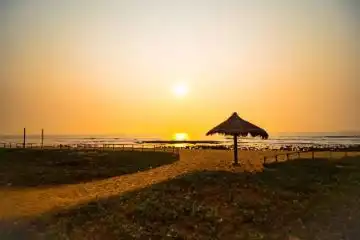
One of the most tranquil spots enhancing the wonderfulness of Dibrugarh is its riverfront. There, the Brahmaputra flows majestically along the city's edge. Watching the sun dip into the expansive river during sunset is a soul-soothing experience. The Ghats - such as Mohanbari and Panchali - are popular for walks, photography, and local boat rides.
Seasonal festivals and evening prayers at the Ghats offer cultural immersion and great opportunities for interaction with locals. In winter, migratory birds like Siberian cranes and bar-headed geese flock to the river's edge. That make this an ideal spot for bird watchers. It's here, in these peaceful yet vibrant surroundings, that the wonderfulness of Dibrugarh truly comes alive.
3. Tengapani Wildlife Sanctuary: A Nature Lover's Haven
Located roughly 40 km from Dibrugarh, Tengapani Wildlife Sanctuary is a lush escape into Assam's rich biodiversity. It's part of the Eastern Himalayan ecosystem and features semi-evergreen forests. That makes it ideal for trekking, bird watching, and nature photography.
The sanctuary is home to endangered species like the Hoolock gibbon, clouded leopard, and hornbills. Local guides can lead eco-tours that help you spot wildlife without disturbing their habitat. Visiting Tengapani allows travelers to connect with nature on a deeper level and understand the ecological wealth. That contributes to the overall wonderfulness of Dibrugarh.
4. Dibrugarh University: A Cultural and Educational Landmark
More than just an academic institute, Dibrugarh University is a reflection of modern Assamese intellectual and cultural life. Its serene campus, nestled amidst greenery, regularly hosts public events like literary festivals, music concerts, and exhibitions.
For those interested in cultural tourism, visiting the university is a way to understand Assam's evolving identity. Its museum and performing arts center often spotlight folk music, Bihu dance, and traditional crafts. As a vibrant intellectual hub, it captures a different facet of the wonderfulness of Dibrugarh. It's the one rooted in learning, creativity, and community.
5. The Historical Digboi Oil Refinery
Digboi, around 80 km from Dibrugarh, is often referred to as the birthplace of the oil industry in Asia. The Digboi Oil Refinery, operational since 1901, is the world's oldest active refinery. Its colonial charm, historic bungalows, and well-preserved artifacts provide a time-travel experience.
Visitors can tour the Oil Museum. It offers interactive displays on the British-era oil exploration days, and the Digboi War Cemetery. That is a moving tribute to soldiers from World War II. This historical excursion adds depth to the traveler's journey and contributes to the layered wonderfulness of Dibrugarh's surroundings.
6. Joysagar Tank and Temples: Spiritual Serenity
Located near Sivasagar, an hour's drive from Dibrugarh, Joysagar Tank is one of the largest man-made lakes in India. That was built in the 18th century. It is surrounded by ancient Ahom-era temples such as the Joy Dol and Shivadol. That reflect the architectural brilliance of Assam's royal past.
The peaceful surroundings make this area ideal for spiritual reflection, picnics, and photography. During temple festivals, the site comes alive with rituals, music, and traditional Assamese cuisine. Experiencing this place enriches your understanding of the region's spiritual soul, adding another layer to the wonderfulness of Dibrugarh.
7. Moran: Gateway to Tea Culture and Local Traditions
Just a short ride from Dibrugarh, Moran is a charming town. That is known for its strong community ties, traditional lifestyles, and vibrant markets. The town offers a slower pace of life and authentic glimpses into local culture.
You can visit handloom centers where Assamese women weave beautiful Mekhela Chadors or enjoy homestays. That provide locally prepared dishes using bamboo shoots, herbs, and fish. Spending a day or two in Moran is like stepping into a living museum of Assamese life. That enhances the traveler's connection to the deeper wonderfulness of Dibrugarh.
8. Burhi Dihing Wildlife Sanctuary
Covering over 100 sq km, this sanctuary lies near the Dihing River. That showcases a unique blend of wetlands and evergreen forests. It is particularly popular among ornithologists and researchers, as it is a habitat for more than 300 bird species. That include the endangered white-winged wood duck.
You may also spot langurs, flying squirrels, and even leopards if you're lucky. Eco-tourism initiatives offer guided walks and overnight stays in eco-lodges, letting visitors witness wildlife responsibly. For travelers seeking adventure and biodiversity, this sanctuary amplifies the wonderfulness of Dibrugarh's natural side.
9. Local Markets: Savoring the Flavors and Handicrafts
Dibrugarh's street markets and bazaars are full of life. Chowkidinghee Market, Naliapool, and Graham Bazaar offer everything from bamboo crafts and handwoven garments to exotic spices and fresh produce.
Try street food delicacies like pitha (rice cakes), thukpa, and smoked pork. These markets are also ideal for buying souvenirs like tea, handcrafted jewelry, and Assamese gamusas. Shopping here gives travelers a slice of local life. It makes for a colorful, flavorful way to experience the wonderfulness of Dibrugarh up close.
10. Tea Museum: Dive Into Assam's Tea Legacy
The Tea Museum is a tribute to Assam's enduring legacy as a world leader in tea production. With displays on colonial-era tea tools, antique processing machines, and visual documentaries, it paints a vivid picture of tea's journey. That has started from garden and gone further to cup.
The museum often hosts tasting sessions and workshops. There, visitors can learn the subtle art of tea blending and flavor profiling. Engaging with this space offers a more nuanced understanding of Dibrugarh's global tea identity. That make it a must-visit spot that enhances the educational aspect of Dibrugarh.
11. Scenic Boat Rides on the Dhansiri River
Less crowded than the Brahmaputra, the Dhansiri River is a tranquil alternative for those seeking nature without the buzz. Boatmen offer early morning and sunset rides, passing through peaceful villages, farmlands, and hidden creeks.
It's a great way to observe fishermen at work or spot river dolphins and migratory birds in the wetlands. With every gentle wave and distant bird call, this experience captures the slow, rhythmic wonderfulness of Dibrugarh's riverine charm.
12. Dibrugarh's Festivals: Celebrating Life and Culture
Bihu, the most significant Assamese festival, turns Dibrugarh into a carnival of joy. It held in three parts - Rongali (spring), Bhogali (winter), and Kongali (autumn). Bihu celebrations include traditional dance performances, open-air feasts, and community fairs.
If you're visiting during the festive season, take part in local traditions. For example husori (group singing) and savor delicacies like larus and doi-chira. Engaging with locals during these festivals offers a heartfelt experience of the warmth and cultural pride. That define the greatness of Dibrugarh.
Conclusion
Dibrugarh is more than just a city - it's a living, breathing mosaic of nature, history, culture, and community spirit. Each famous location highlighted here adds a unique hue to its vibrant canvas. It started from the tea-scented air of its plantations and goes to the spiritual silence of ancient temples. From bustling local markets to quiet riverbanks - the wonderfulness of Dibrugarh lies in its ability to blend contrasts beautifully. No matter that you're planning a relaxing holiday or an enriching cultural exploration. Dibrugarh invites you to experience its charm with open arms and countless memories.