Discover the ancient temple and holy Jyotirlinga in Trimbakeshwar
Deep within the Sahyadri ranges of Maharashtra lies a spiritual sanctuary that has stood the test of time-Trimbakeshwar. It is home to the holy Jyotirlinga in Trimbakeshwar one of the twelve divine representations of Lord Shiva. That is firstly revered as one of India's most sacred pilgrimage destinations. This revered site, surrounded by cascading hills and fed by the sacred Godavari River, is more than just a temple. Above all, it's a journey into ancient mythology, architectural excellence, and unshakable faith. For centuries, this holy destination has drawn sages, pilgrims, and travelers from around the world. They meanwhile comes here in search of blessings, clarity, and peace.
The Mythological Significance of Trimbakeshwar
Trimbakeshwar finds its origins in the Shiva Purana. There, an ancient tale reveals how the penance of Sage Gautama brought the river Godavari to earth. After committing a sin accidentally, Gautama sought redemption through intense prayers to Lord Shiva. Pleased with his devotion, Shiva granted him the sacred Ganga. That came in the form of the Godavari River to absolve his karma. Planning a trip to famous tourists spots of Panchgani is a pleasant escape from the chaos. It is said that the river originated in Trimbak and sanctified the land forever. He was also here that Shiva manifested in the form of a Jyotirlinga to signify the place's eternal purity. Unlike other temples, this Jyotirlinga represents the Trimurti-Brahma, Vishnu, and Shiva-making it a uniquely potent site for worship.
Temple Architecture That Tells a Story
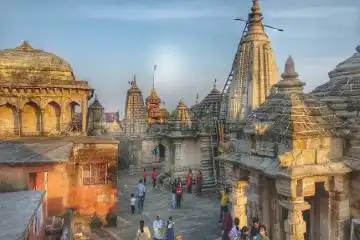
The architectural splendor of the Trimbakeshwar Temple immediately captures the attention of every visitor. Built in the 18th century by the Maratha ruler Peshwa Nana Saheb, the temple is a stunning example of Hemadpanthi style. It is defined by the use of locally sourced black basalt stone, intricate carvings, and grand shikharas (spires). Walking through the stone corridors and courtyards transports you into another era. It's the one steeped in devotion and disciplined craftsmanship. The sanctum sanctorum lies at the heart of the structure. There, the holy Jyotirlinga in Trimbakeshwar rests, deeply embedded within the earth. This symbolic depth further encourages worshippers to look inward. It meanwhile suggests that spiritual truth is found through introspection.
The Uniqueness of the Jyotirlinga
The holy Jyotirlinga in Trimbakeshwar is different from other Jyotirlingas, which usually depict Lord Shiva alone. Firstly, the one at Trimbakeshwar represents the Hindu trinity of Brahma, Vishnu, and Shiva. This triad is symbolized by three small linga-shaped structures placed in a circular depression within the sanctum. Devotees cannot touch the linga directly. It is a practice that reflects the reverence and sanctity with which this holy site is treated. A silver mask representing each deity is placed on the linga during different times and rituals. Priests perform elaborate pujas daily, involving sacred chants. They offer bilva leaves, and anoint the linga with holy water, milk, honey, and ghee. This continuous worship meanwhile helps maintain the spiritual energy that radiates from the temple complex.
Sacred Waters and Spiritual Cleansing
One of the most spiritually enriching aspects of visiting Trimbakeshwar is the opportunity to cleanse oneself in the sacred waters. The Kushavarta Kund is firstly located near the temple. It is considered the exact spot from where the Godavari begins its journey across peninsular India. Pilgrims bathe here before entering the temple to symbolically rid themselves of negative energies and sins. The water is believed to be spiritually purifying. Above all, many pilgrims collect it in copper vessels to take home. Other sacred teerths in the vicinity include Gangadwar, Bilwa Teerth, and Gautami Teerth. Each of them stands out further with its own mythological significance. These sites are particularly serene during sunrise and sunset. At that time, the light reflects off the water and hills, enhancing the tranquil atmosphere.
The Role of Rituals and Ancestral Ceremonies
Rituals performed at Trimbakeshwar are deeply rooted in Vedic tradition. Among the most important are Narayan Nagbali, Kalsarpa Shanti, and Tripindi Shraddha. They are believed to alleviate ancestral curses, unresolved karmic cycles, and planetary doshas. Devotees from across India travel here specifically for these rites. They often stay for several days under the guidance of experienced local priests. Above all, these rituals are unique to Trimbakeshwar. This is due to the presence of the holy Jyotirlinga in Trimbakeshwar and the Godavari's divine flow. However, the town has become a center for pitru karma. That meanwhile draws those who wish to honor their forefathers and release spiritual baggage. The meticulous performance of these rites reinforces the temple's role as a bridge between earthly life and spiritual evolution.
The Spiritual Energy of the Environment
What further sets Trimbakeshwar apart from other pilgrimage sites is its palpable energy. This town seems suspended between time, wrapped in a spiritual stillness that affects even the most hurried visitor. The chants, bells, and scent of incense blend with the natural elements. That are the sound of river water, rustling trees, and crisp mountain air. Many seekers find this environment ideal for meditation, reflection, or simply disconnecting from worldly distractions. The nearby Brahmagiri Hills house several small caves and shrines. They meanwhile offer quiet spots where one can sit and absorb the sacred silence. Spiritual retreats and yoga centers have also been established in the region. That cater to those who seek a more immersive experience beyond temple visits.
Celebrations and Festivals of Divine Grandeur
The temple comes alive during key festivals, particularly Mahashivratri. That celebrates the divine marriage of Shiva and Parvati. During this time, the town overflows with pilgrims and spiritual energy. Special rituals, night-long bhajans, and devotional dances mark the celebration. Further, the temple is adorned with marigold garlands and oil lamps. Another significant event is the Kumbh Mela, held every twelve years in Trimbak. Trimbakeshwar is one of the four cities chosen for this grand spiritual gathering. It meanwhile sees millions converge for holy dips in the Godavari and spiritual discourse. The presence of the holy Jyotirlinga in Trimbakeshwar during this event elevates the town to a divine status. That attract saints, sadhus, and yogis from every corner of India.
Connections to Ancient Epics and Saints
Trimbakeshwar is not just a place of worship. It is a vital part of India's mythological and spiritual landscape. According to legends, the Pandavas from the Mahabharata spent time in the nearby forests during their exile. They had meditated and performes penance here. The Anjaneri Hills, believed to be the birthplace of Lord Hanuman, are located just a short distance away. This area is also associated with several Nath yogis and saints. That further include Saint Nivruttinath, whose samadhi is located nearby. These connections to divine and historical figures deepen the cultural richness of Trimbakeshwar. Above all, they make it a sacred geography for those interested in India's spiritual history.
Exploring the Town and Its Traditions
Walking through Trimbakeshwar town offers a glimpse into India's living religious culture. The main street leading to the temple is lined with stalls. They sell religious paraphernalia for example rudraksha beads, brass puja items, and bottles to collect Godavari water. Locals often greet visitors with a warm "Har Har Mahadev", adding a layer of heartfelt hospitality. However, many homes in the area double as guesthouses for pilgrims. They meanwhile provide simple yet comfortable accommodations with traditional satvik meals. The town also features a number of dharamshalas and ashrams that offer lodging and spiritual guidance. That further make it accessible for both short visits and longer stays.
Best Time to Visit Trimbakeshwar
The ideal time to visit holy Jyotirlinga in Trimbakeshwar is from October to March. During that, the weather is cool and conducive to walking, sightseeing, and participating in rituals. Monsoon season, from June to September, transforms the region into a verdant paradise. That stands out further with waterfalls cascading through the hills and rivers in full flow. However, some trekking paths to Brahmagiri and Gangadwar may become slippery during this time. Summers can be quite hot, especially during the day, although early morning temple visits are still manageable. To make the most of your visit, plan around major festivals. You may meanwhile consult with a local priest if you wish to participate in specific rituals.
How to Reach Trimbakeshwar and Where to Stay
Trimbakeshwar is well-connected by road and rail. The nearest major city is Nashik, located about 30 kilometers away. That has frequent buses and taxis heading further to the temple town. Nashik itself is a cultural and wine tourism destination. Therefore, many visitors combine the two in a single trip. For accommodation, Trimbakeshwar offers a wide range-from budget hotels and dharamshalas to mid-range lodges. Many hotels are located within walking distance of the temple. That further make early morning darshan more accessible. It's advisable to book in advance during festival periods as the town tends to fill up quickly.
A Journey That Transcends Time and Space
A visit to Trimbakeshwar is more than just a pilgrimage. It is a soulful voyage that invites you to reconnect with the deeper layers of your existence. That goes from the sacred rituals at the temple to the cleansing dip in the Kushavarta Kund. In short, every experience in this ancient town leaves a lasting imprint on the heart and mind. The holy Jyotirlinga in Trimbakeshwar stands not only as a symbol of Lord Shiva's divine power but also as a beacon of unity among the Trimurti. It calls to those in search of peace, purpose, and the profound silence of the eternal.
Whether you are a spiritual seeker, a history lover, or a curious traveler, Trimbakeshwar offers an unparalleled experience. That further allows you to delve deeper in India's sacred traditions. Come for the myths, stay for the rituals, and leave transformed by the energy of a place. At holy Jyotirlinga in Trimbakeshwar, divinity is not only worshipped but also deeply lived.