A memorable trip to explore top historical places of Thanjavur
Thanjavur, often hailed as the cultural capital of Tamil Nadu, is a treasure trove of history, art, and architecture. If you're planning a journey to explore the historical places of Thanjavur get ready for an unforgettable adventure. That seamlessly blends spirituality, heritage, and stunning artistry. Rich with centuries-old temples, palaces, and monuments, it offers an immersive experience for travelers fascinated by India's glorious past. With each monument revealing fascinating tales from the past, Thanjavur promises a rich cultural tapestry that leaves a lasting impression. Let's dive into the top historical sites that make Thanjavur a must-visit destination for history buffs and curious travelers alike.
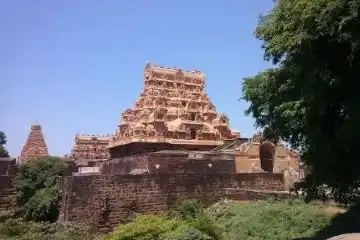
1. Brihadeeswarar Temple: The Crown Jewel of Thanjavur
No visit to Thanjavur is complete without marveling at the Brihadeeswarar Temple. That is a UNESCO World Heritage site and a monumental achievement of the Chola dynasty. It was built in the 11th century by Raja Raja Chola I. Exploring the top outdoor places of Rameswaram with our travel guides in the easiest way. This temple stands as a testament to the zenith of South Indian temple architecture. The towering vimana (temple tower) stands at a staggering height of 66 meters, dominating the skyline with its grandeur.
The temple is one of the famous historical places of Thanjavur that is renowned not only for its scale. It is also known for the intricate details. That are magnificent frescoes, massive granite sculptures, and the colossal Shiva lingam inside the sanctum sanctorum. The precision with which the 80-tonne granite capstone was placed atop the vimana continues to intrigue historians and architects. The temple complex also includes beautifully carved Nandi statues, pillared halls, and artistic frescoes that depict Hindu mythology.
Exploring the Brihadeeswarar Temple is more than a sightseeing activity. It's like stepping into an era when art, religion, and politics converged to create enduring legacies. The temple's massive courtyard and tranquil atmosphere provide a perfect setting for contemplation and photography alike.
2. Thanjavur Royal Palace: Step Into Regal History
Just a short walk from the Brihadeeswarar Temple, lies the Thanjavur Royal Palace. It stands as a witness to the regal history that shaped the region. This sprawling palace was the seat of the Maratha rulers who governed the kingdom from the 17th to 19th century. The palace itself is a fine blend of Tamil and Maratha architectural styles, reflecting the cultural synthesis of its rulers.
Within the palace complex, you will find the Saraswathi Mahal Library and a museum. That houses royal artifacts, ancient weaponry, and exquisite bronze statues. The palace walls are adorned with beautiful frescoes and murals narrating historical events and royal life. Walking through the palace corridors, you can almost hear echoes of royal ceremonies and the hustle of court life.
The palace gardens add to the charm, providing a peaceful oasis amid the historic structures. Visiting the Thanjavur Royal Palace is a wonderful way to understand the city's layered history beyond just temple architecture.
3. Saraswathi Mahal Library: A Literary Treasure Trove
Nestled inside the royal palace complex, the Saraswathi Mahal Library is one of Asia's oldest libraries. This one of the famous historical places of Thanjavur is a true gem for history enthusiasts. Established during the Nayak and Maratha periods, the library boasts a priceless collection of thousands of manuscripts. That are written on palm leaves and paper.
These manuscripts cover a wide range of subjects, including ancient Tamil literature, Sanskrit texts, musicology, medicine, astrology, and astronomy. Some manuscripts date back over a thousand years, preserved with meticulous care by scholars across generations.
The library's serene ambiance invites visitors to linger and explore the depth of India's scholarly heritage. Photography inside is restricted, but guided tours offer a glimpse into this treasure trove. That reveals how Thanjavur was a major center of learning and culture.
4. Schwartz Church: Colonial Heritage in Thanjavur
The historical places of Thanjavur aren't limited to temples and palaces. The Schwartz Church, named after the German missionary Christian Friedrich Schwarz, adds a colonial-era dimension to Thanjavur's historical landscape. Built in the 18th century, the church reflects early European influence in the region.
Schwarz was instrumental in spreading education and religious reforms, and the church stands as a symbol of his legacy. Its architecture is simple yet elegant, featuring a modest façade, stained glass windows, and a peaceful courtyard.
Visiting the Schwartz Church provides a refreshing change of pace and adds to the understanding of Thanjavur's diverse historical fabric. The church often hosts cultural events that celebrate this unique blend of South Indian and European heritage.
5. Thanjavur Art Gallery: Preserving Cultural Heritage
For art lovers, the Thanjavur Art Gallery is an unmissable stop. Located within the palace premises, the gallery exhibits a curated collection of sculptures, paintings, and artifacts. That are related from various dynasties that ruled the region.
The gallery's bronze statues, particularly from the Chola period, are famous worldwide for their exquisite craftsmanship. These bronzes depict deities like Shiva, Parvati, and Nataraja with stunning realism and intricate details. The gallery also displays rare Tanjore paintings. It is a traditional art form known for its rich colors, inlaid stones, and use of gold foil.
Visiting the art gallery complements your exploration of the historical places of Thanjavur by offering insights into the artistic evolution. That flourished alongside the region's architectural marvels.
6. Gangaikonda Cholapuram: A Nearby Historical Marvel
While technically outside Thanjavur town, Gangaikonda Cholapuram is a must-visit for anyone keen on exploring the region's rich history. Founded by Rajendra Chola I, son of Raja Raja Chola I, this city was established to commemorate his northern conquests. It was serving as the Chola Empire's capital in the 11th century.
The Gangaikonda Cholapuram temple is an architectural cousin of the Brihadeeswarar Temple. This one of the best historical places of Thanjavur has its own unique identity. The temple's sprawling layout, finely carved pillars, and serene environment showcase the continued legacy of the Chola dynasty's architectural excellence.
The site also includes inscriptions and sculptures that provide historical data about the Chola Empire's political reach and religious practices. Visiting Gangaikonda Cholapuram enriches your understanding of the Chola dynasty's power and devotion.
7. Airavatesvara Temple: A Glimpse of Chola Artistry
Located in Darasuram, about 15 kilometers from Thanjavur, the Airavatesvara Temple is another UNESCO World Heritage site. It represents the apex of Chola temple architecture and was built by Rajaraja Chola II in the 12th century. This temple is renowned for its detailed stone carvings and the distinctive chariot-shaped structure.
Every pillar and wall is adorned with intricate sculptures depicting scenes from Hindu mythology, dance poses, and divine beings. The temple's artistic richness and spiritual significance make it a must-see for travelers interested in South Indian heritage.
The temple also highlights the sophisticated craftsmanship and religious devotion that defined the Chola period. That makes it a perfect complement to your Thanjavur itinerary.
8. Thanjavur Market: Experiencing Living History
A trip to historical sites is incomplete without experiencing the local culture that thrives around them. Thanjavur's bustling market is a lively place where tradition meets everyday life. Here, you can find authentic Tanjore paintings, hand-crafted bronze idols, brass lamps, and the famous Thanjavur silk sarees.
Engaging with local artisans provides insight into centuries-old crafts that have been preserved and passed down through generations. The market also offers a variety of local foods and sweets, giving visitors a taste of the region's culinary heritage.
Wander through the market streets, hear vendors' calls, and witness traditional craftspeople at work. It adds a vibrant, living dimension to your historical exploration.
9. King's Way: The Historic Streets of Thanjavur
Exploring the narrow lanes around the royal palace and temple complexes is like walking through a living museum. These historic streets are lined with old houses, tiny shrines, and bustling shops, each with a story to tell.
Many of these lanes retain their original charm, with vintage doorways, old-style lamp posts, and traditional courtyards. A guided heritage walk can uncover hidden temples and monuments not widely known to tourists, enriching your experience.
These streets reflect the daily life of past and present Thanjavur residents, weaving together history, culture, and community.
10. Experience Festivals at Historical Sites
Visiting Thanjavur during temple festivals is a magical experience that brings history alive. The Maha Shivaratri festival at Brihadeeswarar Temple is marked by vibrant rituals, devotional music, and candlelit processions.
The Natyanjali Dance Festival, held annually at the Brihadeeswarar Temple, celebrates classical Indian dance forms dedicated to Lord Shiva. This festival attracts performers and spectators from across the country, blending art, devotion, and history.
Participating in or witnessing these festivals offers a profound connection to Thanjavur's living traditions, making your visit truly memorable.
11. Chola Bronzes: The Legacy in Metal
One of the highlights of exploring the historical places of Thanjavur is the chance to witness the exquisite Chola bronzes. These sculptures, are often found in temples and museums around the city. They are celebrated worldwide for their artistic perfection and spiritual symbolism.
The craftsmanship involved in creating these bronzes, using the lost wax casting technique, is remarkable. They typically depict Hindu gods and goddesses in dynamic poses, capturing both divine grace and human emotion.
Many local artisans still practice this age-old art, and some workshops welcome visitors. They offer a glimpse into the creative process that has endured for over a millennium.
12. Traditional Cuisine Near Historical Sites
No travel experience is complete without savoring the local flavors. Thanjavur offers a rich culinary tradition that complements its historical exploration. Near many historical places, you will find eateries serving authentic Tamil cuisine. That include dishes like dosa, idli, sambhar, and the famous Thanjavur-style biryani.
Sample traditional sweets such as Mysore Pak and laddus, often sold by vendors around temples. It adds a delightful treat to your itinerary. Food here is not just nourishment but a cultural expression tied deeply to the region's heritage.
Conclusion: Why Thanjavur Belongs on Every History Itinerary
Exploring the historical places of Thanjavur is more than just sightseeing. It's a journey through time that reveals the grandeur, spirituality, and artistic genius of South India's past. From the majestic Brihadeeswarar Temple to the serene Saraswathi Mahal Library, each site tells a story worth hearing.
A trip to Thanjavur leaves visitors enriched, inspired, and deeply connected to India's cultural roots. Whether you are a history enthusiast, a lover of architecture, or a curious traveler, Thanjavur promises memories. That linger long after you leave.
Tour the historical places of Thanjavur to soak in the grandeur of ancient temples and stroll through regal palaces. Explore scholarly libraries, and experience vibrant festivals. Thanjavur's blend of history, art, and culture awaits every traveler seeking a truly memorable journey.