Feel the inner peace by exploring spiritual places of Bodh Gaya
Nestled on the banks of the Niranjana River in Bihar, Bodh Gaya is not only a historic town. The spiritual places of Bodh Gaya further makes it a spiritual epicenter revered by millions across the world. Here, under the sprawling canopy of a Bodhi Tree, Prince Siddhartha transformed into the Buddha over 2500 years ago. Today, Bodh Gaya meanwhile seekers from every corner of the globe. It fulfills their wish to connect with that moment of enlightenment and find their own inner stillness.
The spiritual places of Bodh Gaya aren't just religious landmarks. They're pathways to mindfulness, compassion, and peace. Bodh Gaya stands out with serene monasteries, age-old temples, and sacred meditation caves. This destination is ideal for anyone looking to embark further on a spiritual journey. Exploring the famous historical places and attractions of Nalanda gives insights about our great culture. Let's take a deeper dive into some of the most powerful spiritual spaces this sacred land offers.
Mahabodhi Temple: The Sacred Epicenter of Enlightenment
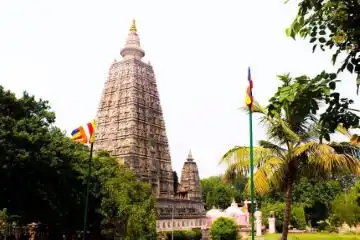
Towering gracefully over the heart of Bodh Gaya is the Mahabodhi Temple. Above all, it is one of India's oldest and most revered spiritual places of Bodh Gaya Bihar. This UNESCO World Heritage Site is built at the exact location where the Buddha attained enlightenment. The temple's central spire rises nearly 55 meters, surrounded by smaller stupas and lotus-filled ponds. That further exude a serene ambiance.
Inside the temple, a magnificent statue of a seated Buddha faces the Bodhi Tree. It firstly represents the moment of his awakening. The surrounding gardens and meditation zones offer a peaceful escape from the hustle of daily life. It's a space where silence further speaks volumes, inviting you to simply sit and be.
The Bodhi Tree: Rooted in Awakening
The Bodhi Tree is located directly behind the main shrine. Above all, it's a descendant of the original fig tree under which Siddhartha meditated. This tree is the heart of Bodh Gaya's spiritual pull-a place of stillness, sacredness, and transformation. Pilgrims often walk around it in clockwise meditative circles. Meanwhile, they recite mantras or sit cross-legged on mats to reflect in silence.
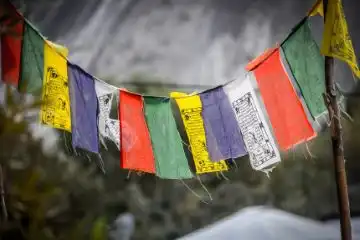
The tree is surrounded by a stone railing. With the prayer flags fluttering in the breeze, it meanwhile symbolizes peace and spiritual freedom. Even for non-Buddhists, being under the Bodhi Tree feels like a timeless experience. That further invites inner introspection and clarity.
Great Buddha Statue: A Towering Emblem of Tranquility
A short walk away lies the Great Buddha Statue, an 80-foot marvel of sandstone and red granite. Depicting Buddha in a meditation pose (dhyana mudra), the statue rests on a giant lotus flower. Further, it is flanked by ten smaller statues representing his disciples.
This monument is not only about its size-but also about the calm energy it radiates. Visitors often sit at its base, absorbing the tranquility or joining the nearby chants. Especially at sunrise or sunset, the golden hue of light over the statue creates a breathtaking spiritual atmosphere.
Thai Monastery: A Glimpse of Southeast Asian Serenity
Among the many spiritual places of Bodh Gaya lies the Thai Monastery. It stands out further with its elegant architecture and lush surroundings. Commissioned by the King of Thailand, it meanwhile showcases traditional Thai craftsmanship. That get enhanced with multi-tiered sloping roofs, intricate carvings, and golden accents.
Inside the main prayer hall is a glorious golden Buddha statue seated in a posture of compassion. The monastery also features meditation rooms, landscaped gardens, and serene walkways. Above all, the presence of Thai monks adds an authentic flavor. That makes it a perfect place to learn mindfulness or attend group chanting sessions.
Japanese Nippon Temple: The Way of Peace and Stillness
Built by the Nipponzan Myohoji order from Japan, this temple is a lesson in minimalism and inner harmony. The white facade and simple, uncluttered interiors reflect the Zen aesthetic, designed to promote focused meditation. That makes it one of the significant spiritual places of Bodh Gaya. A giant bronze bell firstly welcomes visitors at the entrance. The interior houses a seated Buddha and an open hall ideal for spiritual gatherings.
Daily prayer services are conducted with rhythmic drumbeats. There are chants of the “Na Mu Myōhō Renge Kyō” mantra. You don't need to be Buddhist to further feel the calming effects here. However, just being present is enough to feel your thoughts quiet down.
Tibetan Monastery: A Colorful Spiritual Canvas
Walking into the Tibetan Karma Temple feels like stepping into a vibrant world of devotion and symbolism. From colorful thangka paintings to prayer wheels spinning with sacred mantras, every inch of it is spiritually charged. It is a stronghold of Mahayana Buddhism and further houses several sacred texts and relics.
The temple grounds often host monks engaged in lively debates or practicing melodic chants. Visitors can light butter lamps, spin prayer wheels, or simply marvel at the beautifully painted interiors. That further depict the life and teachings of the Buddha.
Royal Bhutan Monastery: A Harmonious Hideaway
Often overlooked, the Royal Bhutan Monastery is one of the most peaceful corners in Bodh Gaya. It was built by the King of Bhutan. That further reflects the deep spiritual connection between Bhutanese culture and Buddhism. The monastery's facade features rich wooden carvings, prayer flags, and lotus motifs meanwhile adding to its quiet charm.
The main prayer hall houses a tall and intricately carved Buddha statue surrounded by vibrant frescoes. It's an ideal place to meanwhile engage in silent prayer. You can join the monks in meditation or appreciate the calming silence. That further pervades the compound.
Chinese Temple: A Sacred Expression of Cultural Unity
Located close to the Mahabodhi Temple, the Chinese Temple reflects traditional Chinese Buddhist design. That features dragon motifs, curved rooftops, and vibrant red and gold décor. Above all, it's a testament to how Buddhism has beautifully adapted to various cultures over the centuries.
A large golden Buddha rests in the temple's center, surrounded by red lanterns and incense offerings. The quiet ambiance, gentle lighting, and wooden carvings further offer a uniquely peaceful experience for spiritual explorers.
Vietnamese Temple: A Zen-Inspired Refuge
Set slightly away from the central cluster of temples, the Vietnamese Temple. This one of the famous spiritual places of Bodh Gaya brings a unique blend of tranquility and design. The temple is firstly characterized by its pastel hues, manicured bonsai gardens, and tiled courtyards. Above all, the temple embraces the Vietnamese style of Buddhist worship.
This temple further hosts sessions on Zen meditation, breathing techniques, and mindfulness workshops. The monks here are welcoming and eager to guide visitors through Buddhist teachings in a gentle, accessible way.
Meditation Park: Nature's Calm Embrace
Behind the bustling temple zones lies a gem known as Meditation Park. It's a quiet green space that firstly offers solitude amidst the sacred. Shady trees, lotus ponds, and winding stone paths create an environment perfect for meditation or quiet walks. It's a spot where you can sit on the grass and observe the fluttering prayer flags. Meanwhile, you can listen to the rustle of leaves while contemplating life's deeper questions.
This park is popular among both locals and international visitors. They meanwhile come here to seek a break from the formal rituals. Here, you are free to simply be.
Dungeshwari Caves: The Pre-Enlightenment Journey
Roughly 12 kilometers from Bodh Gaya, lies the Dungeshwari Caves. That firstly mark an important chapter in the Buddha's life. Known also as the Mahakala Caves, this is where Siddhartha practiced intense asceticism before embracing the Middle Path. The caves are carved into a rocky hillside and hold shrines dedicated to the emaciated Buddha.
Reaching the caves involves a short but fulfilling trek, offering scenic views of the countryside. The spiritual weight of this place is palpable. Many pilgrims come here to meanwhile connect with the early struggles of the Enlightened One.
Sujata Kuti: A Story of Compassion and Realization
Across the river lies Sujata Kuti, a humble monument honoring a significant figure in the Buddha's journey. Sujata, a village woman, offered a bowl of rice milk to the starving Siddhartha. However, it was an act of compassion. That helped him realize that neither extreme self-denial nor indulgence further leads to enlightenment.
A simple stupa and temple stand at the site, surrounded by peaceful farmland. Visiting Sujata Kuti brings a new perspective to spiritual seeking. It is the one that further includes generosity, human kindness, and balance.
Engage with Your Inner Journey
As you explore the spiritual places of Bodh Gaya, you are not just walking through historical landmarks. Above all, you're participating in a living tradition of mindfulness, compassion, and awakening. That goes from majestic temples and meditation caves to peaceful parks and humble monasteries. In short, Bodh Gaya offers space for every kind of seeker.
Light incense at a Tibetan monastery, meditate beneath the Bodhi Tree, or observe life unfold in silence. Each moment spent in spiritual places of Bodh Gaya can meanwhile bring you closer to the peace within. For many, this sacred town is not the end of a journey. Above all, it is the beginning of a deeper, lifelong one.